As companies look for fresh ways to improve how they operate, the buzz around 'Commercial UAV Solutions' is really picking up. I spoke with Dr. James Wright from SkyTech Innovations, and he mentioned, 'The right drone solution can totally change the game for a business.' It’s pretty exciting to see how drones are starting to make waves across different industries, from farming to delivery services.
Of course, jumping into commercial drone use isn’t all smooth sailing. Businesses need to really think about what they actually need and make sure they’re playing by the rules. There are rules and limitations to consider, and while the idea of working more efficiently sounds awesome, it’s super important to do your homework first.
In the end, understanding how these drone solutions can actually benefit your business is key. You don’t want to rush in without a plan—getting expert advice and planning carefully makes all the difference. As industries keep changing so quickly, staying in the loop with the latest drone tech is going to be what keeps companies ahead of the game.

Understanding Commercial UAVs: An Overview
Commercial UAVs, or drones, are transforming various industries. These versatile tools can enhance efficiency and accuracy in tasks like
surveying, agriculture, and
logistics. Understanding how these UAVs operate is crucial for businesses aiming to integrate this technology effectively.
When considering commercial UAV solutions, identify your specific needs. Different UAVs serve varied purposes. Some are designed for
aerial photography, while others excel in
mapping or
monitoring. Evaluating your requirements will help you choose the right drone for your operations.
Tips: Start with small projects to test UAV capabilities. This approach minimizes risks and allows for adjustments based on real-world results.
Training is vital too—ensure your team is well-prepared to manage the technology. Furthermore, stay informed about regulations governing UAV usage in your area.
Not all drones are allowed everywhere, which can affect your business operations.
Factors to Consider When Choosing UAV Solutions
When choosing UAV solutions for your business, several factors demand attention. Understanding your specific needs is crucial. For instance, consider the operational environments. Will the UAV be used indoors, outdoors, or in both? Different UAVs perform well under varied conditions. Weather can impact performance, especially for tasks like aerial photography or surveying.
Another important aspect is payload capacity. What kind of equipment will the UAV carry? Cameras, sensors, or delivery packages all require different UAV specifications. Knowing how much weight needs to be supported helps narrow down your options effectively. Additionally, evaluate flight time. Longer durations can enhance productivity in extensive operations, while shorter times may be suitable for limited tasks.
Integration capabilities are also vital. Can the UAV seamlessly connect with your existing systems? It's essential for data analysis and operational efficiency. Assessing user-friendliness is key, too. Is the technology intuitive? A complex interface might hinder rather than help your team. With rapid advancements in UAV technology, staying informed of updates is beneficial. Exploring reviews and expert opinions can further guide your decision-making process, ensuring a more rounded evaluation of available solutions.
What is Commercial UAV Solutions for Your Business Needs?
| Factor |
Description |
Importance Level |
| Purpose |
Identify the specific tasks and applications for UAVs in your business. |
High |
| Regulations |
Understand local laws and regulations regarding UAV operation. |
High |
| Payload Capacity |
Evaluate the weight and type of equipment the UAV can carry. |
Medium |
| Flight Time |
Consider battery life and how long the UAV can operate on a single charge. |
High |
| Integration |
Assess how well the UAV system integrates with existing technology. |
Medium |
| Cost |
Analyze the budget and total cost of ownership, including maintenance. |
High |
| Support and Training |
Consider the availability of training and technical support. |
Medium |
| Data Security |
Evaluate measures for data protection and privacy compliance. |
High |
Key Industries Benefiting from UAV Technology
Commercial UAV solutions have transformed various industries with their innovative applications and improved efficiencies. Agriculture is one such area where UAV technology has made a significant impact. Farmers use drones for crop monitoring, irrigation management, and even pest control. This data-driven approach helps them make informed decisions, enhancing yields while reducing waste. However, some may struggle with the initial costs and learning curves associated with drone technology.
The construction industry is another major benefactor of UAV technology. Drones provide aerial imagery and topographic maps crucial for planning and monitoring projects. They enable real-time inspections, allowing project managers to identify issues early. Yet, despite these advantages, companies sometimes face regulatory challenges and integration issues within existing workflows. Adopting UAV solutions requires careful planning and a willingness to adapt.
Logistics and transportation are on the rise with UAV applications. Drones can efficiently manage inventory and assist in last-mile delivery. They save time and reduce operational costs, streamlining supply chains. However, the reliability of UAV technology in urban environments remains a concern. Unforeseen hurdles still exist, prompting businesses to reassess their strategies consistently.
Types of Commercial UAVs and Their Applications
Commercial UAVs, also known as drones, are transforming various industries. They come in different types, each suited for specific applications. For instance, fixed-wing UAVs are ideal for agriculture and surveying, while multirotors excel in aerial photography and inspections. A report from MarketsandMarkets predicts the commercial drone market will reach $24.1 billion by 2025, showcasing their growing importance in business operations.
In construction, drones provide aerial views of job sites. They help in project monitoring and completion tracking. Additionally, thermal cameras attached to UAVs can detect heat loss, leading to energy efficiency improvements. These capabilities can lead to cost savings and improved project timelines. However, there might be challenges in integrating drone data with existing workflows, requiring careful planning.
Tips: Consider starting with a drone that meets your immediate needs. Evaluate your industry requirements before investing. Training your team is crucial for maximizing drone benefits. Failure to do so can result in inefficiencies. Understanding data collection and interpretation is key; without it, the value of UAVs diminishes.
Costs and ROI of Implementing UAV Solutions
The costs associated with implementing UAV solutions can vary significantly depending on the specific use case and industry. A recent report by the Association for Unmanned Vehicle Systems International (AUVSI) indicated that businesses can expect to invest between $10,000 and $50,000 for initial setup and training. This investment often includes hardware, software, and necessary certifications. For instance, agriculture drones could lead to increased crop yields, resulting in an ROI of up to 300% over three years.
Moreover, many industries report immediate cost reductions. According to a study by PwC, surveying with drones can be up to 80% cheaper than traditional methods. These savings are not just in monetary terms; they also include time and labor efficiencies. However, businesses must be cautious with potential hidden costs. Maintenance, regulatory compliance, and the need for ongoing training can elevate the overall expenditure.
Businesses should analyze the long-term benefits versus short-term costs. While the potential for high ROI is evident, the path to implementation may reveal unexpected challenges. Carefully considering these factors can help organizations make informed decisions about UAV investments.
Costs and ROI of Implementing UAV Solutions
Regulatory Considerations for Commercial Drone Use
When considering commercial drone use, regulatory compliance is paramount. Different regions have specific regulations governing UAV operations. Familiarity with these rules is essential. Each regulation often dictates how, where, and when drones can be deployed. Failing to adhere to these can lead to costly penalties.
Adhering to airspace restrictions is crucial. Certain areas prohibit drone usage due to safety concerns, including near airports or crowded events. Operators must also ensure their UAVs meet safety standards set by aviation authorities. This includes passing inspection checks and maintaining updated licensing.
Beyond safety, privacy regulations present significant concerns. Drones equipped with cameras can easily infringe on personal privacy. Businesses must be aware of local laws regarding aerial surveillance. Transparency with customers about data collection practices is advisable. This builds trust but also adds layers of complexity to operational planning. Crafting a compliant and ethical drone strategy demands continuous education and vigilance. There’s no one-size-fits-all approach, and companies should regularly reassess their practices to reflect evolving regulations.
Future Trends in Commercial UAV Technologies
As commercial UAV technologies advance, businesses are discovering new ways to capitalize on their potential. Drones are becoming smaller, more efficient, and equipped with advanced sensors. These enhancements allow for improved data collection and analysis across various sectors. For instance, agriculture companies use drones to monitor crop health and optimize resource use. This trend improves yields and reduces waste, showcasing effective applications of UAVs.
Future developments will focus on autonomy and AI integration. Autonomous drones can navigate complex environments, minimizing human intervention. This trend raises questions about reliability and decision-making in unpredictable situations. Businesses must consider how to implement safeguards to prevent errors. Furthermore, the rise of AI enables better data interpretation, leading to actionable insights. However, this also requires critical evaluation of AI algorithms to ensure accuracy and eliminate biases.
Another key issue is regulatory frameworks. As UAV technology proliferates, regulations will need to evolve. This may create barriers for businesses trying to adopt UAV solutions. Awareness and adaptation to these changes will be essential. Companies that embrace these challenges may find themselves at the forefront of innovation. The landscape of commercial UAV solutions is rapidly changing, offering tremendous opportunities and complex hurdles.
Exploring the Features and Benefits of the MMC M12 Professional Drone for Long-Range Commercial Applications
The MMC M12 Professional Drone stands out as a revolutionary tool for long-range commercial applications, seamlessly blending advanced features with practical benefits. Its design redefines the efficiency limits of traditional VTOL (Vertical Take-Off and Landing) fixed-wing drones, making it an optimal choice for businesses seeking to elevate their aerial capabilities. With a flight range that far exceeds that of many competitors, the M12 promises to deliver reliable performance even in challenging environments.
Equipped with cutting-edge technology, the M12 boasts enhanced stability and precision during flight, allowing for more accurate data collection and reliable operations. Its versatility is further showcased through various payload options, accommodating specialized equipment for tasks such as surveying, mapping, and inspections. The drone’s user-friendly interface ensures that both seasoned professionals and newcomers can harness its potential, streamlining operations and maximizing productivity across diverse industries. By prioritizing efficiency and adaptability, the MMC M12 positions itself as a game-changer in the realm of commercial drone applications.
FAQS
Identify your specific needs first. Different drones suit different purposes, like photography or mapping.
Start with small projects. This helps minimize risks and allows adjustments based on real-world findings.
Proper training helps your team manage UAV technology effectively. Lack of training can lead to inefficiencies.
Yes, regulations vary by area. Understanding local laws is crucial for safe and legal operations.
UAVs come in various types, including fixed-wing and multirotors, each suitable for specific applications.
Drones provide aerial views, monitor job sites, and help track project completion, leading to improved timelines.
Integrating drone data into existing workflows can be challenging and requires careful planning and consideration.
Thermal cameras on drones detect heat loss, leading to energy savings and enhanced efficiency for buildings.
Without understanding data collection, the value of UAVs diminishes, and potential benefits may be lost.
Conclusion
Commercial UAV solutions have increasingly become essential for various industries, offering innovative ways to enhance efficiency and data collection. Understanding commercial UAVs involves recognizing their unique capabilities and applications that suit specific business needs. When choosing the right UAV solutions, factors such as industry requirements, technology types, and regulatory considerations play a pivotal role. Key industries leveraging UAV technology include agriculture, construction, and logistics, each benefiting from specific UAV applications that optimize operations.
Furthermore, businesses must evaluate the costs and potential ROI of implementing these solutions to ensure financial viability. As technology evolves, future trends indicate strides in autonomy, data analytics, and increased regulatory clarity, positioning commercial UAV solutions as a transformative asset across multiple sectors. Embracing these advancements will be crucial for staying competitive in an increasingly digital market.
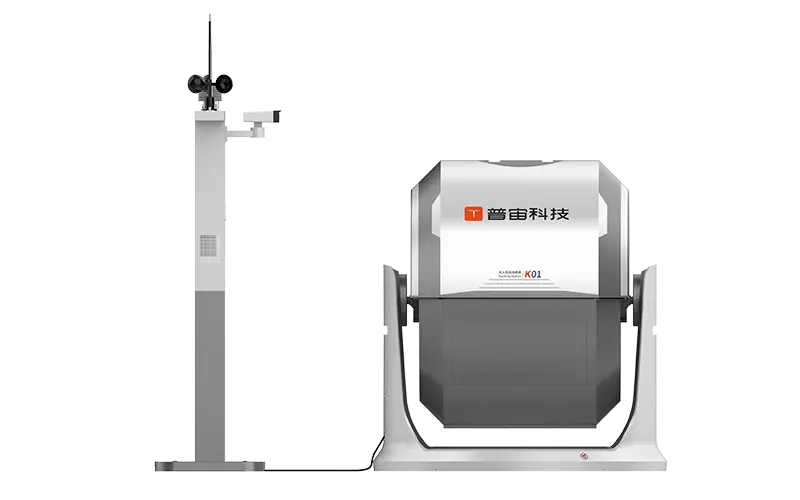 GDU
GDU
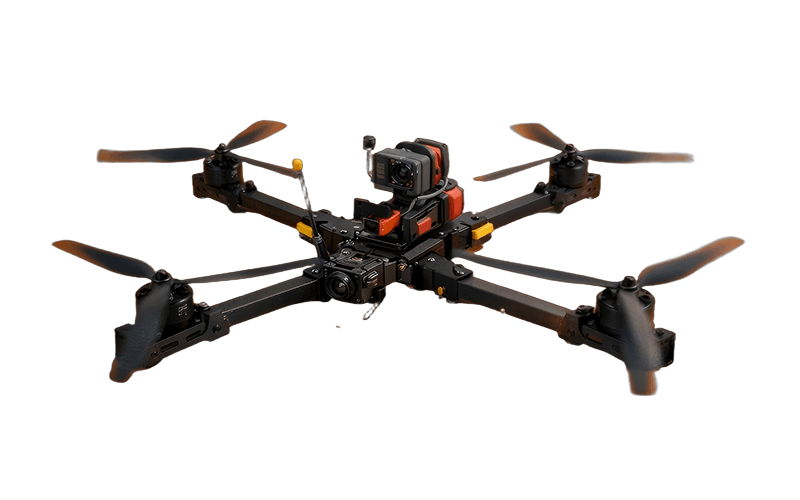 UUUFLY
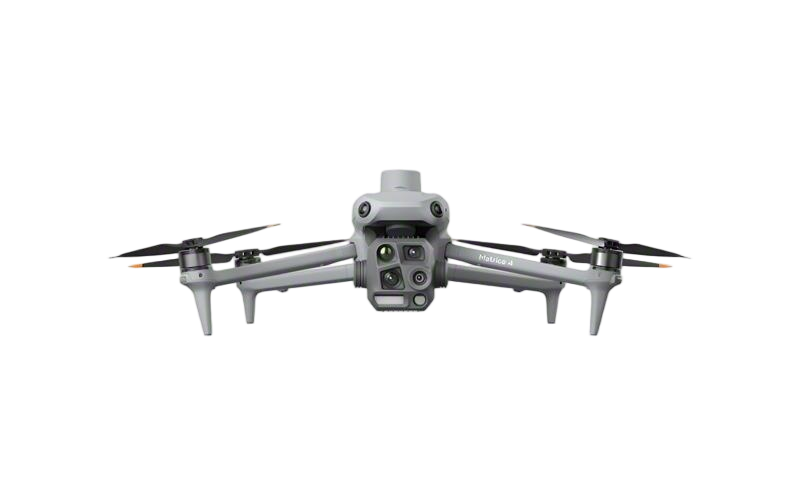 DJI
DJI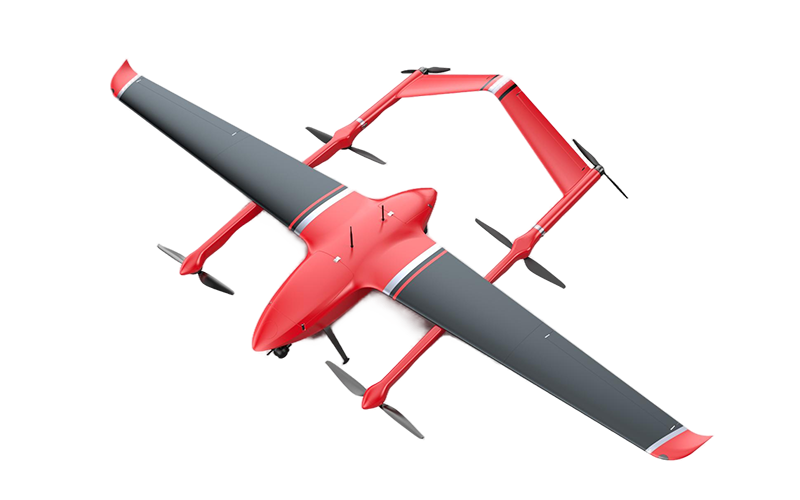 MMC
MMC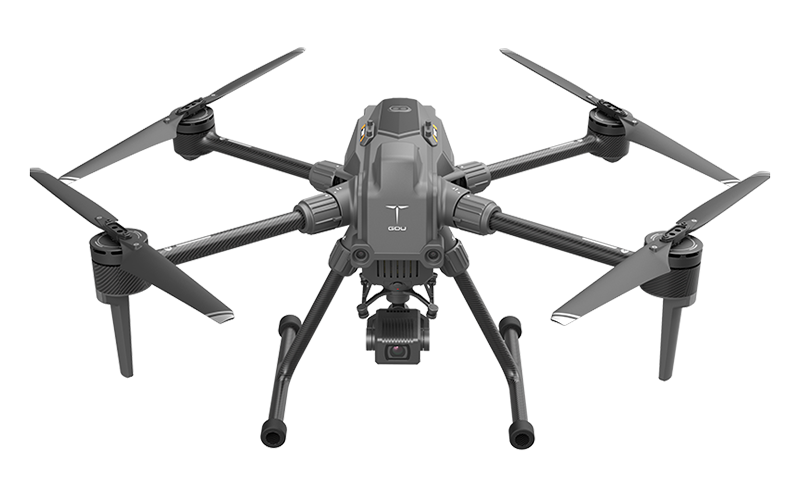 GDU
GDU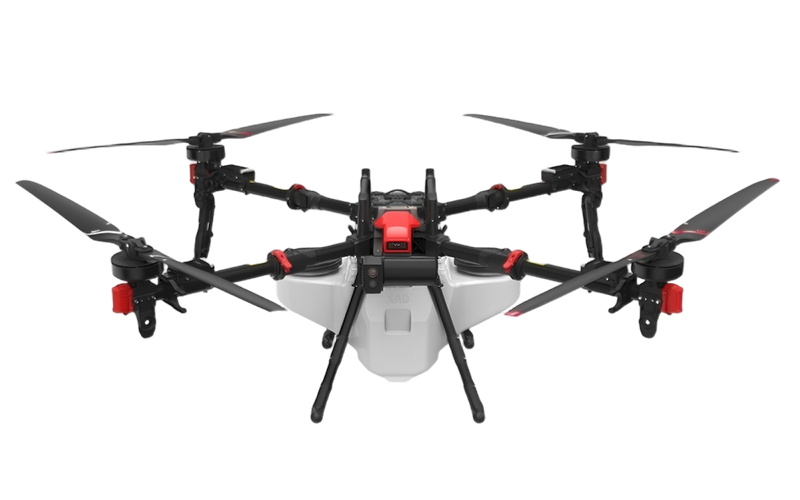 XAG
XAG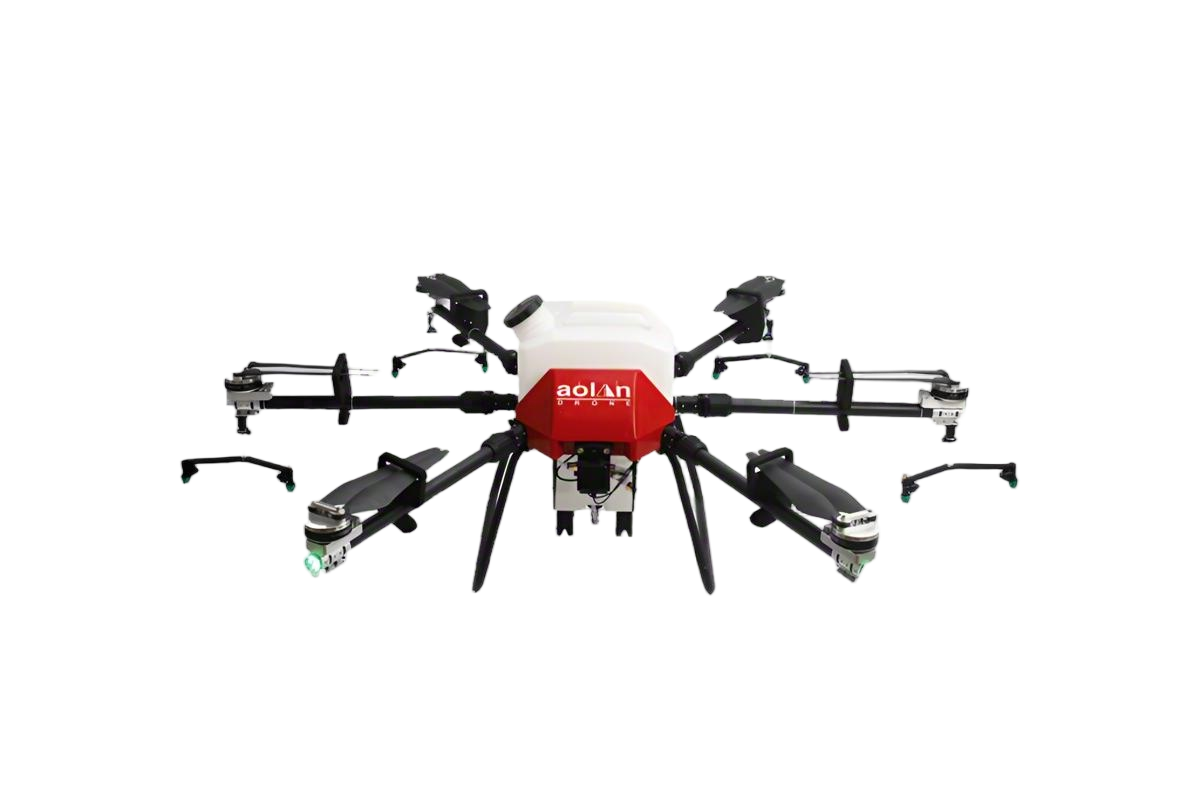 AOLAN
AOLAN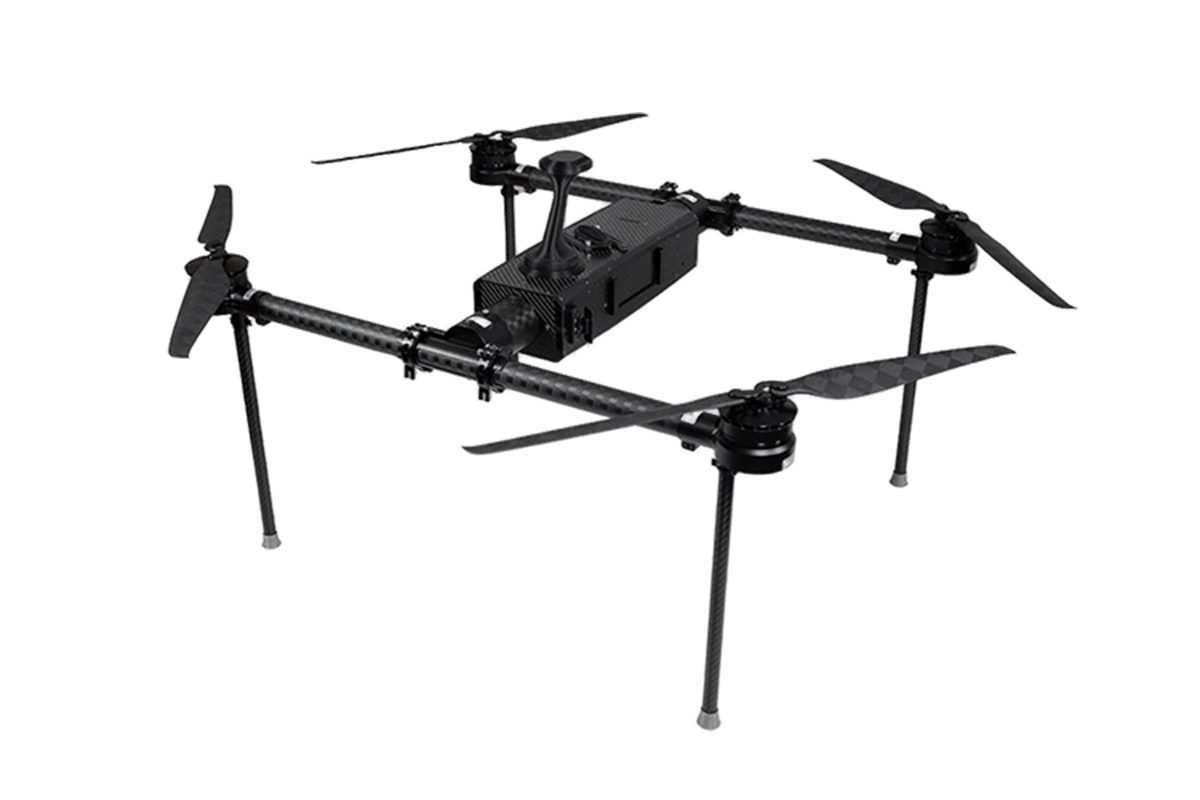 KEEL
KEEL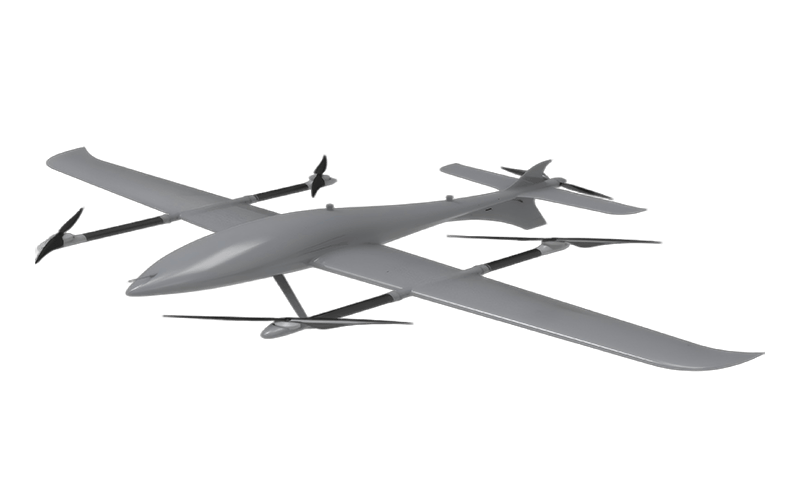 SKY NEXT


