 GDU
GDU
 UUUFLY
 DJI
DJI MMC
MMC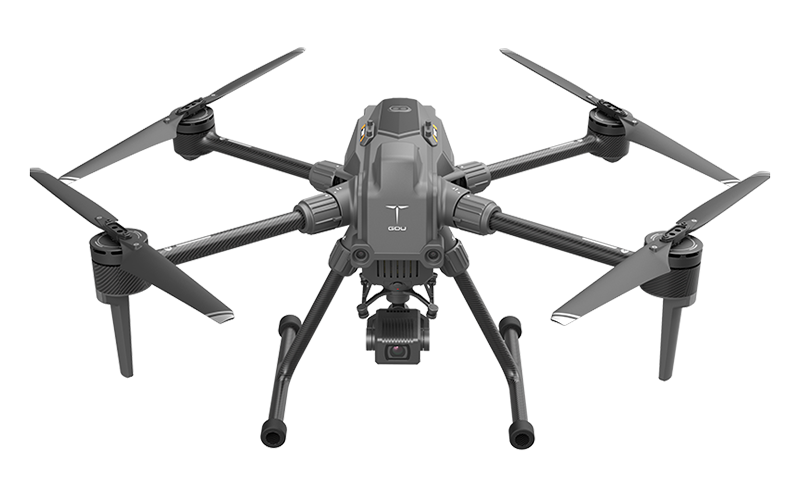 GDU
GDU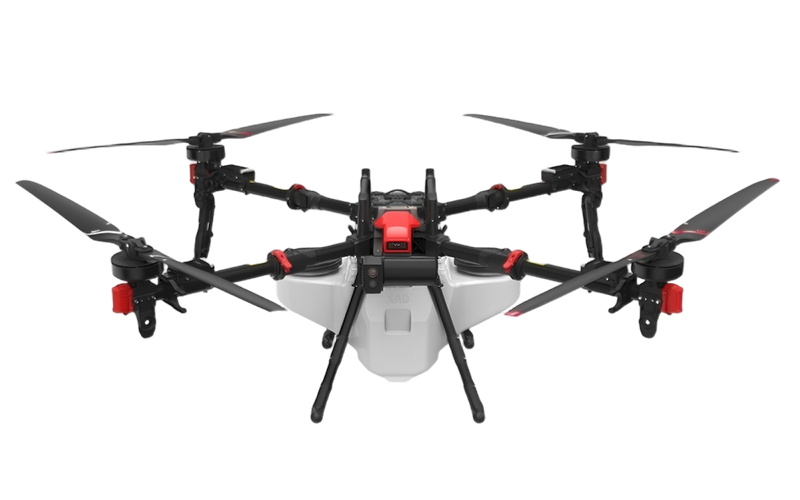 XAG
XAG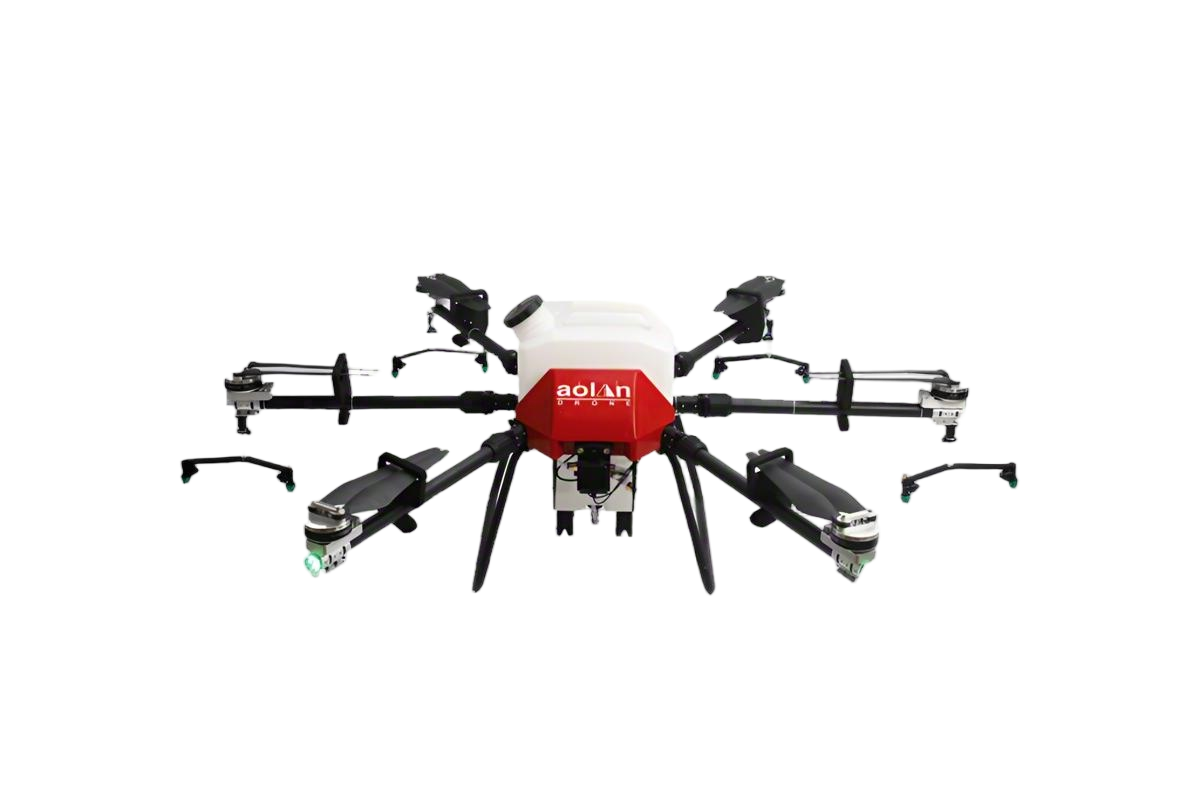 AOLAN
AOLAN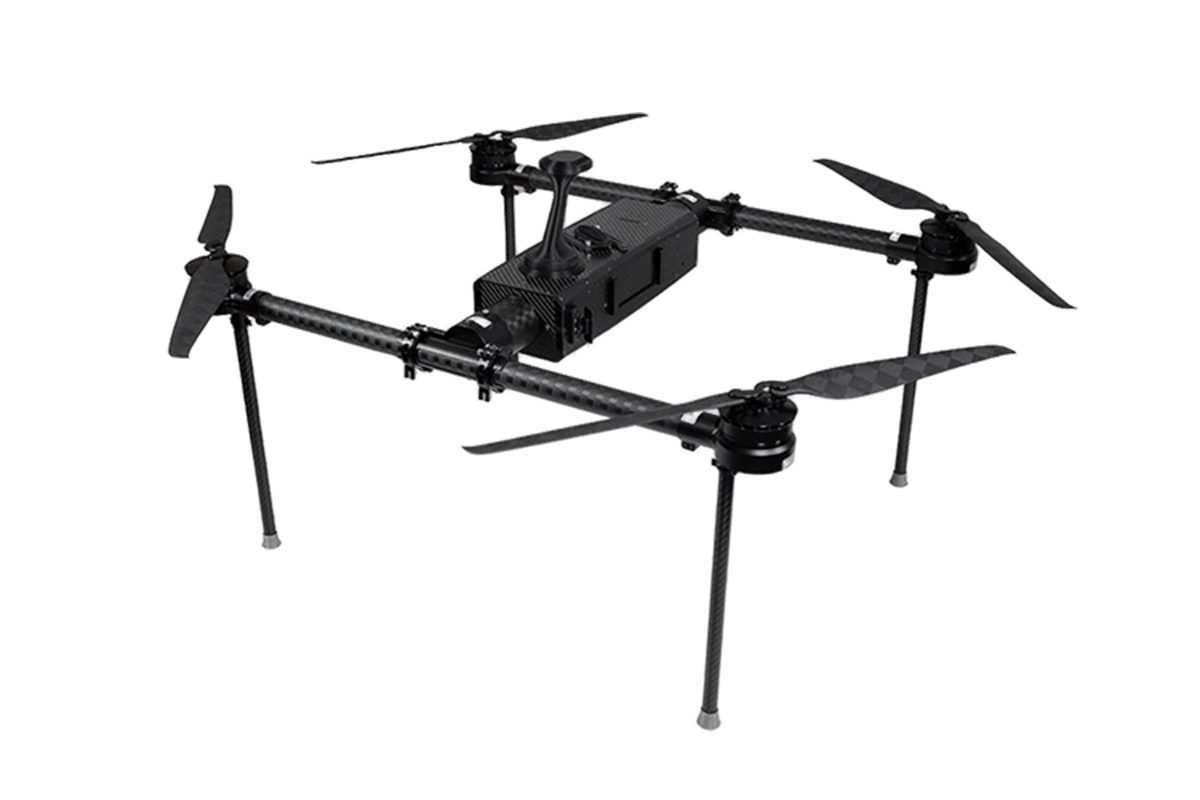 KEEL
KEEL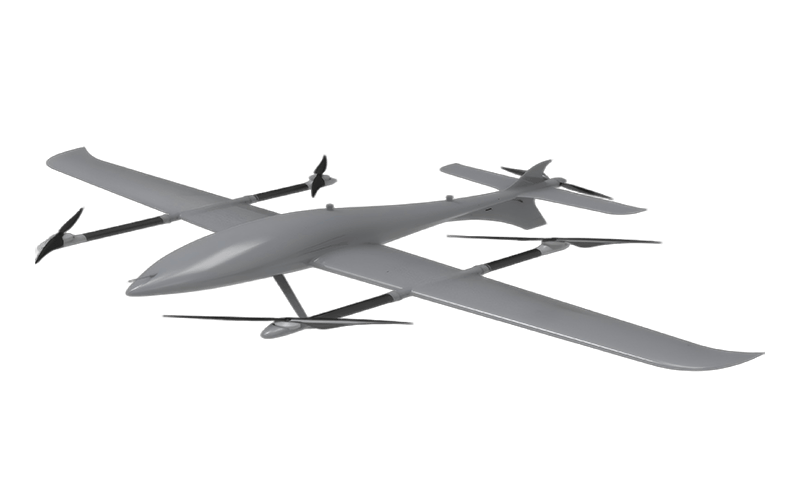 SKY NEXT
- DJI Matrice-4T
- DJI Matrice 4E Drone
- DJI Matrice 4TD
- DJI Matrice 30T
- DJI Mavic 3 Emterprise
- DJI Mavic 3M Multispectral Drone
- DJI RC 2 Plus Industry Plus
- DJI Matrice 4 Series Battery
- DJI Matrice 4D Series Batteries
- TB65 Intelligent Flight Battery
- TB100 Smart Flight Battery
- WB37 Battery
- DJI Accessories

In today's super competitive world, picking the right Enterprise UAVs can really make or break your business. Brands like DJI, Parrot, and SenseFly are pretty much leading the charge when it comes to innovative drone tech. These enterprise drones aren’t just cool gadgets—they actually bring a lot of value, boosting efficiency and accuracy across industries like farming, construction, and logistics.
Now, choosing the perfect UAV isn't just a toss-up. You've gotta think about stuff like payload capacity, how long it can stay in the air, and the quality of its camera. For example, a drone with longer flight times can cover more ground in one go—saving you time and hassle. But here’s the tricky part: not every model fits every industry perfectly, and some might fall short on what you need. So, understanding what your business actually requires is super important for making the right call.
And yeah, some manufacturers will tell you their drones come loaded with advanced features. While that sounds great, it’s smart to take a critical look at those claims. Checking out user reviews can really shed light on what works well and what doesn’t. Remember, even the most popular brands might not be a perfect fit for your specific needs. So, take your time, do some proper homework, and pick what really makes sense for your business—no rushing allowed.

Understanding the Different Types of Enterprise UAVs
When selecting enterprise UAVs, it's crucial to understand the different types available. These drones serve various purposes, from aerial mapping to delivery services. Some UAVs excel in long-range operations, while others are designed for intricate indoor tasks. The choice depends on specific business needs and goals.
Fixed-wing UAVs are robust for large areas. They cover more ground with fewer battery swaps. Multirotor drones are versatile and great for complex maneuvers. They can easily navigate tight spaces but have shorter flight times. Choosing between them requires assessing your operational environment and flight duration needs.
Not every drone fits every business. A farmer may need agricultural drones with advanced sensors, while a construction firm may prefer UAVs with strong cameras. There is no one-size-fits-all solution. It's essential to evaluate your specific requirements and future scalability. This reflection can lead to more informed decisions. Ultimately, the right UAV can enhance efficiency and productivity.
Innovative Applications and Benefits of the GDU S200 Dual-Camera Enterprise Drone with RTK Module in Various Industries
The emergence of the GDU S200 dual-camera enterprise drone equipped with an RTK module marks a significant milestone in industrial applications. This advanced drone is poised to revolutionize sectors such as agriculture, construction, and surveying. With its ability to capture high-resolution imagery and precise geospatial data, the GDU S200 enhances the efficiency and accuracy of aerial inspections and mapping tasks. Industries can leverage the drone's capabilities for real-time monitoring, allowing for timely decision-making and improved operational workflows.
In agriculture, the GDU S200 facilitates precision farming, enabling farmers to monitor crop health and optimize resource usage. By employing the dual-camera system, stakeholders can quickly assess vegetation indices and identify areas requiring intervention, ultimately leading to increased yields and reduced costs. Similarly, in the construction sector, this drone can conduct site surveys and progress tracking with unprecedented detail, providing project managers with essential data to streamline processes and ensure adherence to timelines.
Moreover, the integration of the RTK module significantly enhances positional accuracy, allowing enterprises to execute tasks with centimeter-level precision. This feature is invaluable in environmental studies and infrastructure development, where detailed mapping and monitoring are crucial. As industries continue to adopt drone technology, the GDU S200 stands out as a flagship product that exemplifies innovative applications and exceptional benefits across various fields.

FAQS
Vs by 2026?
Companies may face setup costs ranging from $50,000 to $150,000.
A thorough cost-benefit analysis helps assess operational needs and potential ROI.
Operational challenges include adequate employee training and technology readiness.
Non-compliance can lead to hefty fines and loss of operational licenses.
It ensures compliance and protects the company from legal issues related to data collection.
Engaging with industry experts and attending regulatory workshops is beneficial.
Only about 20% of companies successfully implement UAV technology, which raises concerns.
Training ensures that teams are informed about compliance and operational procedures.
They should understand regulatory frameworks to avoid costly mistakes.
Conclusion
Choosing the best Enterprise UAVs for your business requires a comprehensive understanding of the various types available and how they align with your specific business needs and objectives. It is essential to assess the key features of Enterprise UAVs, such as payload capacity, flight duration, and data collection capabilities, to ensure they meet operational requirements. A comparative analysis of different models will help identify the optimal fit for your operations.
In addition to evaluating technical specifications, conducting a cost-benefit analysis is crucial to determine whether investing in Enterprise UAVs will provide a worthwhile return on investment. Businesses must also consider regulatory guidelines governing UAV usage to ensure compliance. Lastly, staying informed about future trends in UAV technology will enable businesses to leverage advancements that could enhance productivity and efficiency. Understanding these aspects will guide you in making an informed decision regarding the integration of Enterprise UAVs into your operations.
Related Posts
-

How to Choose the Best Enterprise UAVs for Your Business Needs
-

Top 5 Enterprise Drones Transforming Business Operations?
-

How to Choose the Best Professional Drones for Your Needs?
-

10 Expert Tips for Choosing the Best Professional Drones for Your Needs
-

How to Choose the Right Enterprise UAV for Your Business?
-

2026 Best Industrial Drones for Aerial Surveys and Inspections?
